






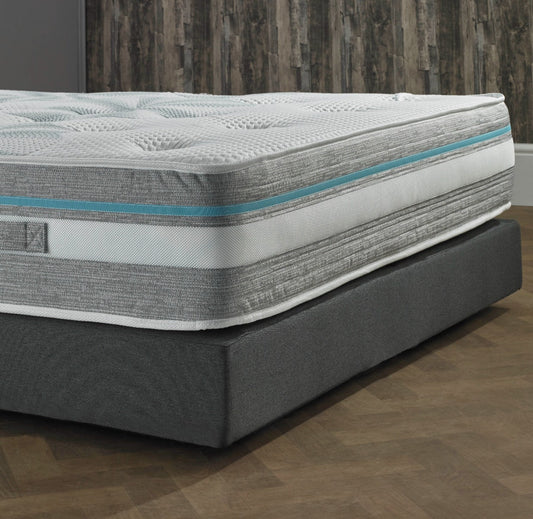


Memory foam
- Feels like
- Moulds to your shape and springs back slowly
- Best for
- Pressure relief, joint pain, and couples — one person moving doesn't wake the other
- Watch out for
- Sleeps warmer than springs; some people dislike the sinking feeling
NOT SURE WHICH
1500vs 3000
What the spring numbers buy you
And where paying more stops helping
BUYING FOR AN
Ottoman
We match the struts to your mattress
Order both together
More colours and sizes available
More colours and sizes available
More colours and sizes available
More colours and sizes available
More colours and sizes available
More colours and sizes available
More colours and sizes available
More colours and sizes available
More colours and sizes available
More colours and sizes available
More colours and sizes available
More colours and sizes available
More colours and sizes available
More colours and sizes available
More colours and sizes available
More colours and sizes available
An ottoman base lifts on gas struts rated to raise a particular weight. Too heavy a mattress and the base won't lift. Too light and it won't stay shut — it pushes itself back open. Mattress-only retailers never mention this, because they don't build the beds.
We make both. Order your mattress with the bed and we'll rate the struts to match it.
Shop ottoman bedsEvery mattress on this page is one of these five. Find the row that sounds like how you sleep, then filter the range above.
The number is roughly how many individual springs sit inside a king-size mattress. Each one is sewn into its own fabric pocket, so it compresses on its own rather than dragging its neighbours with it. That is what stops you rolling into the dip your partner made.
| Count | What it gives you | Typical buyer |
|---|---|---|
| 1000–1500 | Solid everyday support with a traditional feel | Guest rooms, lighter sleepers, children's rooms |
| 2000–2600 | Closer contouring, noticeably less movement transfer | Main bedrooms — the sweet spot for most people |
| 3000+ | Finest support, holds heavier loads evenly | Heavier sleepers, or couples of very different weights |
More springs is not automatically better. Past roughly 3000, most people cannot feel the difference — the fillings and the comfort layer above the springs matter more than the count. Don't pay for a number you won't notice.
Firmness is about how you sleep and what you weigh, not about how good the mattress is. Side sleepers need give at the hip and shoulder. Front sleepers need support so the middle doesn't sink.
| Firmness | Sleeping position | Suits |
|---|---|---|
| Medium | Side | Lighter builds, anyone who wants cushioning at hips and shoulders |
| Medium-firm | Back, or a mix | The safest choice if you're unsure — suits the widest range of people |
| Firm / orthopaedic | Front | Heavier builds, or anyone who has been advised to sleep on a supportive surface |
A note on the word orthopaedic: in the UK it describes a firmer, more supportive build. It is not a medical certification and no mattress can treat a condition. If you have a diagnosed back problem, take advice from your GP or physiotherapist before choosing on firmness alone.
Measure the bed frame, not the old mattress — mattresses compress and shrink over years of use.
| Size | Imperial | Metric |
|---|---|---|
| Small single | 2ft6 × 6ft3 | 75 × 190 cm |
| Single | 3ft × 6ft3 | 90 × 190 cm |
| Small double | 4ft × 6ft3 | 120 × 190 cm |
| Double | 4ft6 × 6ft3 | 135 × 190 cm |
| King size | 5ft × 6ft6 | 150 × 200 cm |
| Super king | 6ft × 6ft6 | 180 × 200 cm |
King and super king are 10cm longer than a double, not just wider — worth checking against the room before you order. Buy UK-size bedding too; US and European sizes with the same names are different dimensions.
A medium-firm pocket sprung or hybrid around 2000 springs suits more people than anything else we sell. If you're buying without lying on it first, that's the safest default.
Almost any — but the weight decides which gas struts we fit. Too heavy and the base won't lift; too light and it won't stay closed. Order the mattress and the bed together and we'll match the struts to it. If you already have a mattress, tell us its type and size and we'll rate the struts for that.
Memory foam if you want pressure relief and you don't want your partner's movement waking you. Pocket sprung if you sleep hot or you prefer a surface that pushes back. A hybrid gives you most of both, which is why it's our most popular choice.
Rotate it head to foot every few months so it wears evenly. Only flip it over if it's built to be double-sided — pillow-top and most foam mattresses are single-sided and should never be flipped.
Yes, while it's still sealed in its original wrapping. Once the seal is broken we can't take it back for hygiene reasons, unless it's faulty — in which case your rights under the Consumer Rights Act 2015 apply in full. See our returns policy.
Around seven to eight years for most types. Visible dips, sagging at the edges, or waking up stiffer than you went to bed are the usual signs it's finished.
Depth affects how the fitted sheet sits and how high the bed feels to get in and out of — it isn't a measure of quality. On an ottoman bed a very deep mattress also sits higher above the frame, so check the finished height if the bed is going under a sloped ceiling or a window.